
What does person-centred support look like in practice?
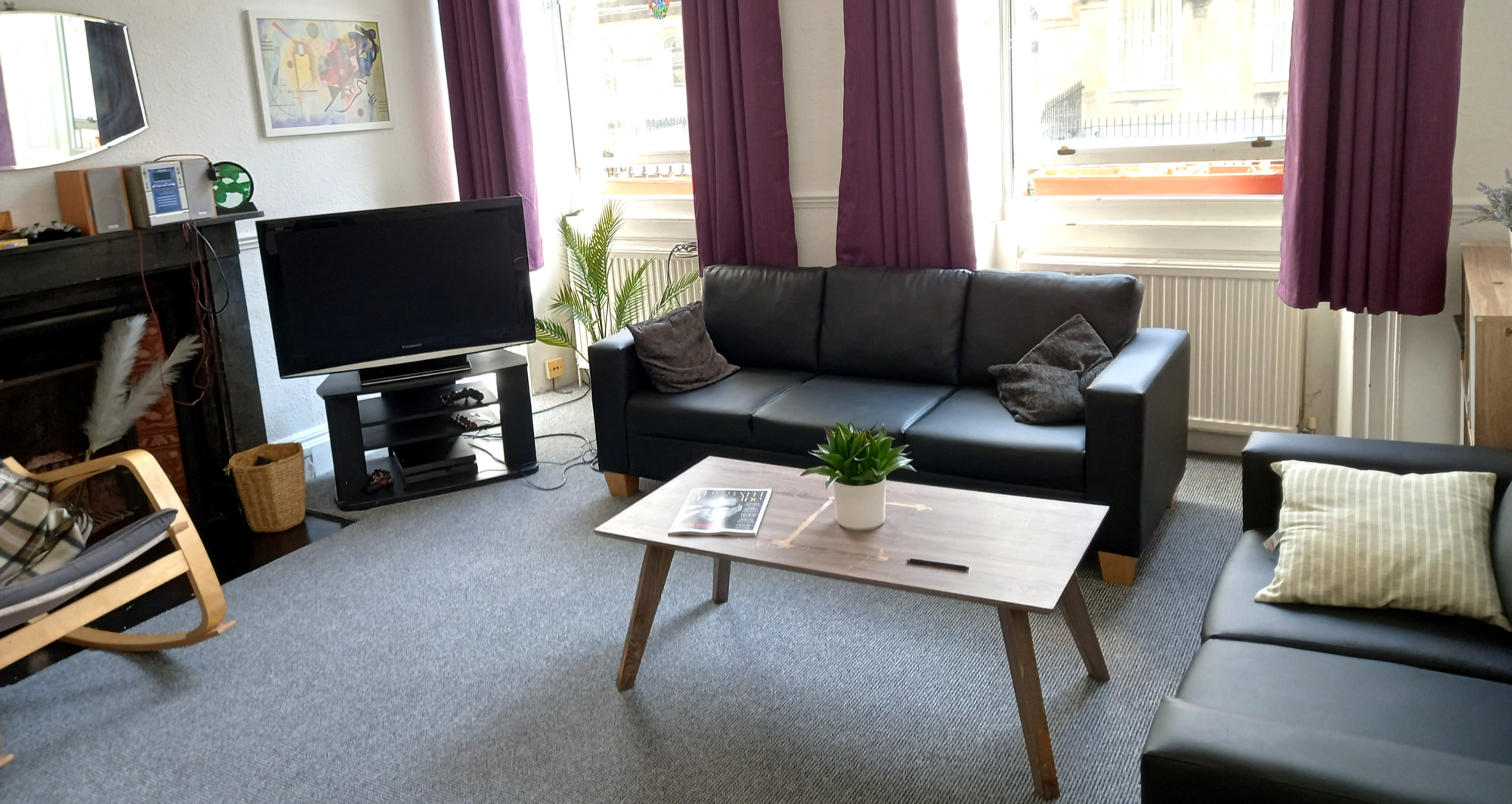
A support session doesn't always have to happen sitting across a desk.
At one of Alongside's supported accommodation services for autistic adults, staff might go for a walk with someone or use the sensory room if that is where they are more comfortable. One member of the team has even held a support session in the gym while exercising with a resident.
What it really comes down to is getting to know the person.
The service is home to eight adults, and staff learn how each resident prefers to communicate and what works best for them. That might include allowing longer to process a question, presenting written information differently or making sensory aids available.
Those preferences are not fixed either. Staff described how someone's communication needs can change, so paying attention and getting to know the individual is important.

Deciding what to work on
Residents are involved in writing their own support plans and deciding what they want to work towards. Staff revisit those plans with them regularly, looking at what has changed and what they want to focus on next.
One former resident had decided that cooking was something they wanted to become more confident with. At first, staff would sit with them to look through recipes and print out ones they could try. A kitchen volunteer would then support them while they cooked.
Over time, they began needing less help. Their family gave them a cookbook for Christmas, and staff noticed them becoming more confident reading the recipes and following the instructions themselves.
Cooking had been one of the things they wanted to work on while living at the service. By the time they were preparing to leave, they felt comfortable doing it independently.
Staff described their role as helping people work towards the things they have chosen for themselves, while recognising when they no longer need the same level of support.
"We're setting them up to succeed."
A home people have a say in
The same attention to individual needs can be seen around the house itself.
When a gym and sensory room were created, residents were involved in choosing colours and equipment, including the blue paint for the gym walls. People can make choices about their own rooms and suggest things for shared spaces.

One former resident found a particular scent calming. After checking that everyone else was comfortable with it, diffusers with that scent were placed around the house.
The garden has developed in a similar way.
Another resident wanted to grow potatoes and sprouts, so they planted them. Staff also described adapting activities where needed, such as using gloves or tools if someone doesn't like the feeling of soil on their hands.
Finding somewhere that works
The service supports residents as they think about where they would like to live next, but being ready to leave doesn't guarantee that the right housing will be available.
One former resident had lived at the service for around four years and had struggled to find somewhere through the usual housing search. Another possibility eventually emerged: looking for a home with his brother.
After some time, the brothers found a two-bedroom flat and moved in together. The former resident still lives nearby and attends college.
Location can matter for very ordinary reasons. Former residents who have stayed nearby have been able to keep the same GP and pharmacy and continue using places they already know.
One member of staff gave a very everyday example: the supermarket.
Moving elsewhere can also mean learning a different route, shop and layout. When someone is already getting used to a new home, being able to keep some familiar routines can make the change easier to manage.
Moving out doesn't mean everything is sorted
The team can stay in contact for around six months after someone leaves, gradually reducing support as they settle into their new home.
One former resident found themselves without electricity and water shortly after moving. They came back to the service during the day and spent time in the familiar lounge and office while the problem was sorted out.
Staff can also help with practical things such as council tax, household bills or finding help with furniture.
And then there are the check-ins that don't involve forms, bills or appointments at all.
"It might just be a cup of tea in a local park or coffee shop."
As people settle, that contact becomes less frequent. Staff remain familiar faces while someone gets used to their new home and new routines.
"I'm still an adult at the end of the day"
One member of staff also spoke about their own experience of being autistic.
They talked about assumptions people can make about autistic adults and about some of the adjustments that can help in everyday situations.
"I think people just need to be aware that sometimes all we need is that support, whether that's extra processing time or sensory aspects."
They also spoke about the things they personally find comforting, including soft textures and familiar objects, and how those things can sometimes be misunderstood.
"I have comfort in teddy bears or soft jumpers... It doesn't make me childish. I'm still an adult at the end of the day."
Their colleagues have learnt what works for them too. They described a workplace where people can talk openly about things such as lighting and sensory needs, rather than assuming everybody experiences their surroundings in the same way.
Person-centred support starts with recognising the person in front of you as an adult with their own preferences, goals and ideas about their life.
At this service, that can be seen in ordinary moments: choosing where to have a conversation, learning a recipe, deciding what to grow in the garden, finding a home in an area you know, or meeting someone for a cup of tea after you have moved.
The details will be different for every person. What matters is having a say in what comes next and getting the right support to work towards it.


